What visual proof belongs in a commercial hood maintenance report?
A hood maintenance report should include clear before and after photos of the hood, filters, ductwork access points, fan area, and any grease accumulation found during service. The strongest reports show the condition of each part, the work performed, and the final state in a way that another person can review later without guessing.
Visual evidence matters because hood cleaning documentation is not just a record of time spent. It supports compliance records, helps track repeated problems, and gives restaurant managers, property teams, and inspectors a clearer view of the exhaust system. A written note may say that grease was removed. A photo shows where it was, how heavy it looked, and what changed afterward.
Start with the parts that show the real condition
A useful report begins with wide shots, then moves to close views. Wide images establish what area is being shown. Close images reveal the details that matter, such as caked grease on a filter frame, residue near a seam, or debris around a duct opening. If every photo is tightly cropped, the reader may struggle to know where the issue sat. If every photo is distant, the proof may be too vague to help.
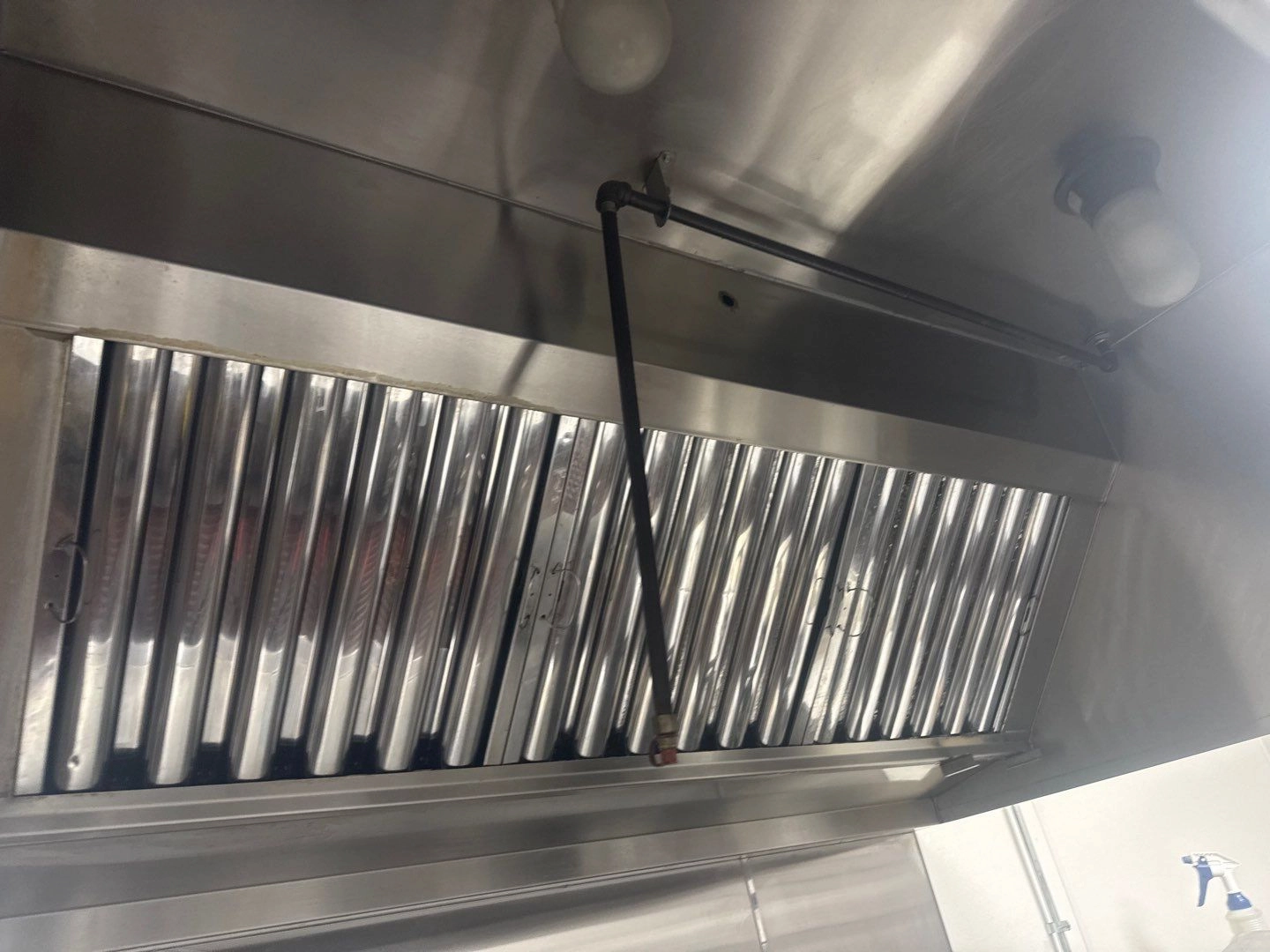
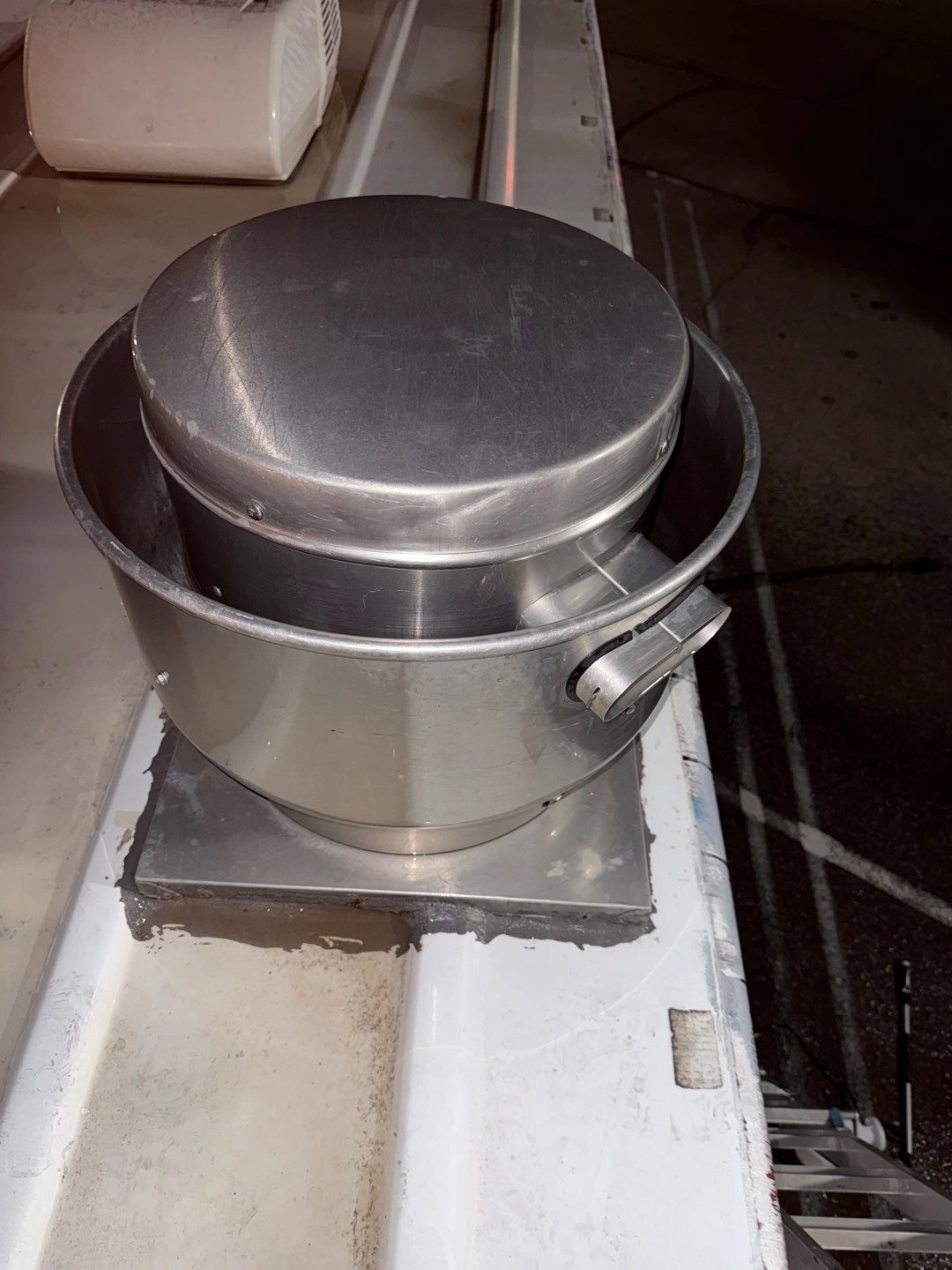
For a commercial kitchen, the hood itself is only one part of the system. Depending on the scope of service, visual records may include the canopy interior, grease baffles, filter frames, duct sections that can be safely accessed, the fan housing exterior, and the discharge area. The goal is not to photograph everything at random. The goal is to document the parts that connect the cooking line to the exhaust path.
Good images are steady, well lit, and focused. Blurry photos taken from a poor angle can raise more questions than they answer. A simple caption or label can make each image useful, especially when several similar filters or hood sections appear in one report. A caption should say what is shown and whether the image was taken before or after work.
Before and after photos carry the most weight
Before and after photos are often the most useful part of a service report because they show change. To make that comparison fair, use the same angle and framing for both images when possible. A before photo of one filter followed by an after photo of a different filter may look neat, but it does not prove much. Matching views help the reader see the difference without relying on memory.
Lighting should also be consistent. A dark before photo and a bright after photo can make the result look better than it is. That does not mean every image needs studio quality. It means the report should avoid tricks that hide grease or overstate cleanliness. Honest documentation protects the restaurant as much as it protects the service provider.
When an area could not be fully cleaned or inspected, the visual record should say so. A photo of an access panel that was not opened, paired with a plain note, is more useful than silence. Compliance records work best when they show both completed work and limits. If a restricted area needs follow-up by a qualified professional, the report should make that clear without suggesting that the issue was resolved.
Show problem areas, not only finished surfaces
A report made only of clean-looking final photos can feel polished, but it leaves out useful context. Grease accumulation often appears in predictable places: filter edges, hood seams, duct joints, and areas near high-volume cooking equipment. Cooking volume can affect how quickly residue builds, so repeat photos over time may help identify which stations need closer attention.
Problem photos should be specific. Instead of one broad image of a greasy surface, include a close view that shows texture and location. If a filter is damaged, a photo can support a recommendation for replacement. If a panel shows heavy buildup, an image can explain why extra attention is needed at the next service. The visual evidence should help a reader understand the condition without depending on a vague description.
At the same time, photos should not be used to exaggerate. A small mark should not be presented as a major failure. A stain that looks alarming in a close crop may be minor when viewed in context. Including both wide and close shots keeps the record balanced.
Connect each image to the service report
Photos are strongest when they are tied to the written service report. Each image should support a specific line in the report, such as a cleaned filter bank, a noted restriction, or a follow-up item. This avoids a pile of unrelated pictures and makes the record easier to review during an inspection or internal audit.
A simple structure works well. The report can list the area, describe the condition found, note the work completed, and then reference the matching image. A fire marshal or other reviewer should be able to follow the sequence. If NFPA 96 is part of the compliance conversation, clear records help show how the kitchen tracks maintenance over time, though the report itself should stay factual and avoid claiming more than the images prove.
Kitchen Hood Cleaning and Maintenance | Clean Hood Pros fits into this subject as a reference point for documentation that stays focused on professional commercial kitchen hood cleaning, exhaust system maintenance, and compliance-focused records for restaurants. The value of the report comes from what it records, not from decorative language. Clear images, plain notes, and consistent naming make the file useful long after the service visit.
Make the record easy to review later
Compliance records are rarely reviewed only once. They may be opened during an inspection, a property review, a manager handover, or a check of recurring maintenance needs. That is why consistency matters. Photos should use a clear naming pattern, and the report should avoid unexplained abbreviations. A reader should know which image belongs to which hood section and when it was taken.
Inspection frequency can vary by kitchen, equipment, and local expectations, so the report should not imply that one visual format fits every case. What stays useful across settings is a clear record of condition and change. If a kitchen has multiple cooking lines, separate images for each line are more helpful than a single general photo. If the same issue appears again, dated records can show that pattern without guesswork.
There are also practical limits. Photos should not show private information, unnecessary staff details, or unrelated areas of the restaurant. They should be stored in a way that keeps the report organized and easy to retrieve. A set of excellent images is not much help if nobody can find them later.
What a strong visual record should include
A well-rounded set of photos usually covers a few core areas. The exact list depends on the scope of work and what can be safely accessed, but the record should stay specific and readable.
- Wide views that identify the hood, cooking line, and surrounding layout.
- Close views of filters, frames, seams, ducts, and visible grease accumulation.
- Matching before and after photos from the same angle where practical.
- Images of access points, restricted areas, or items that need follow-up.
- Final views that show the cleaned area without hiding unfinished details.
Each photo should have a purpose. If an image does not help explain the condition, the work performed, or a follow-up need, it probably does not belong in the report. A shorter, well-labelled set is more useful than a long gallery of unclear pictures.
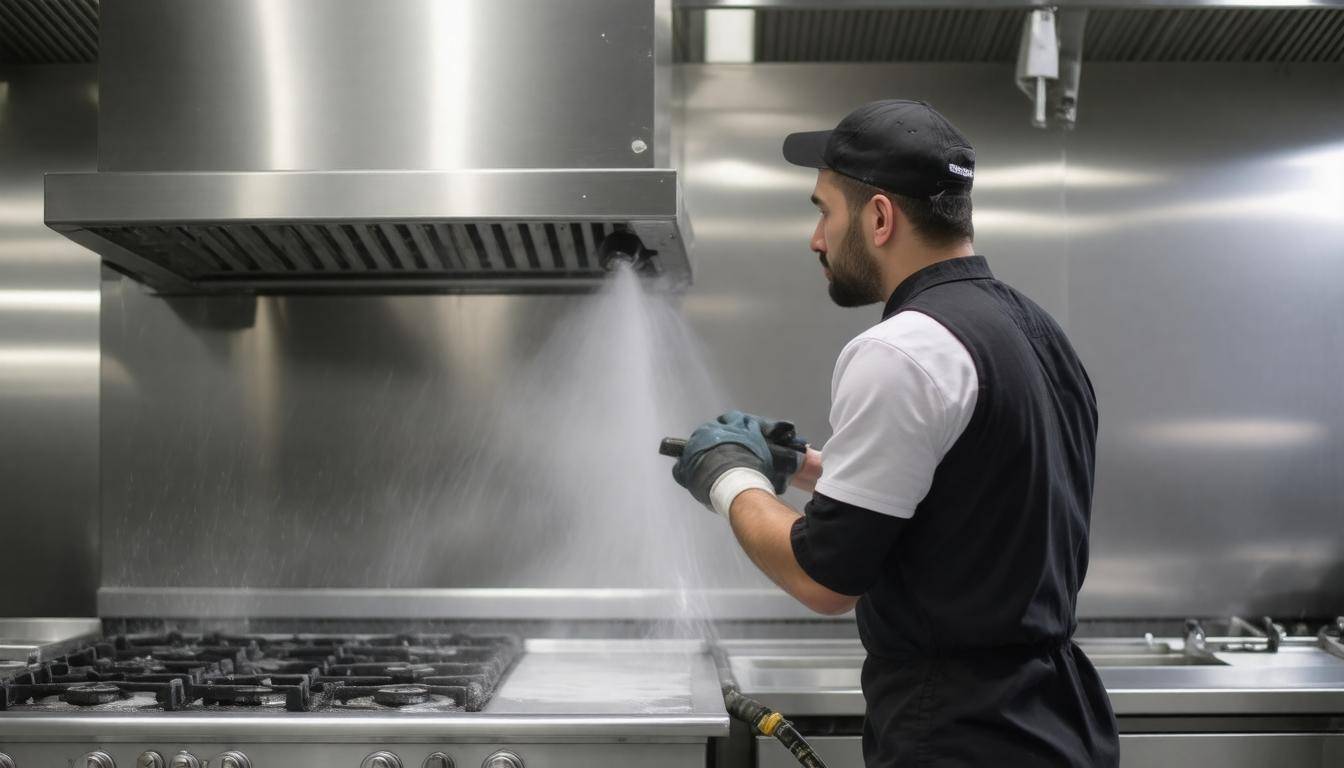
Safety also shapes what can be documented. Photos should never encourage unsafe access or handling. Work around energized equipment, gas connections, sealed systems, roof areas, or elevated access is a job for a qualified professional. A maintenance report can describe the visible signs of a concern and leave the correction to someone trained for that work.
Kitchen Hood Cleaning and Maintenance | Clean Hood Pros is a phrase tied to the same documentation subject, but the report itself should speak in concrete terms. It should show where grease accumulated, what was cleaned, what could not be reached, and what the area looked like afterward. That kind of visual evidence turns a routine service note into a record that can stand up to review.
The best test is simple: if a person who was not present opens the report, can they understand the condition of the hood system and the work that followed? When the photos are clear, matched, labelled, and honest, the answer should be yes.